You know that feeling when you've technically slept for a full eight hours, but you wake up feeling like you were literally hit by a bus? Like someone had to physically pry you out of sleep against your will, and now your body is mad about it?
Same. And for the longest time, I thought I was just bad at mornings.
Turns out, the problem wasn't how long I was sleeping — it was when I was waking up. And once I understood the 90-minute sleep cycle rule, everything changed.
What Is a Sleep Cycle, Actually?
Here's the thing: your sleep isn't just one continuous state. Your body goes through distinct sleep stages in a predictable pattern throughout the night, and each complete cycle takes about 90 minutes.
During those 90 minutes, your body moves through:
Light sleep (the transition phase where you're drifting off)
REM sleep (where you dream and your brain does memory consolidation)
Deep sleep (the restorative phase where your body literally repairs itself)
Then the cycle repeats. All night long. You go through this 90-minute loop somewhere between 4-6 times, depending on how long you sleep
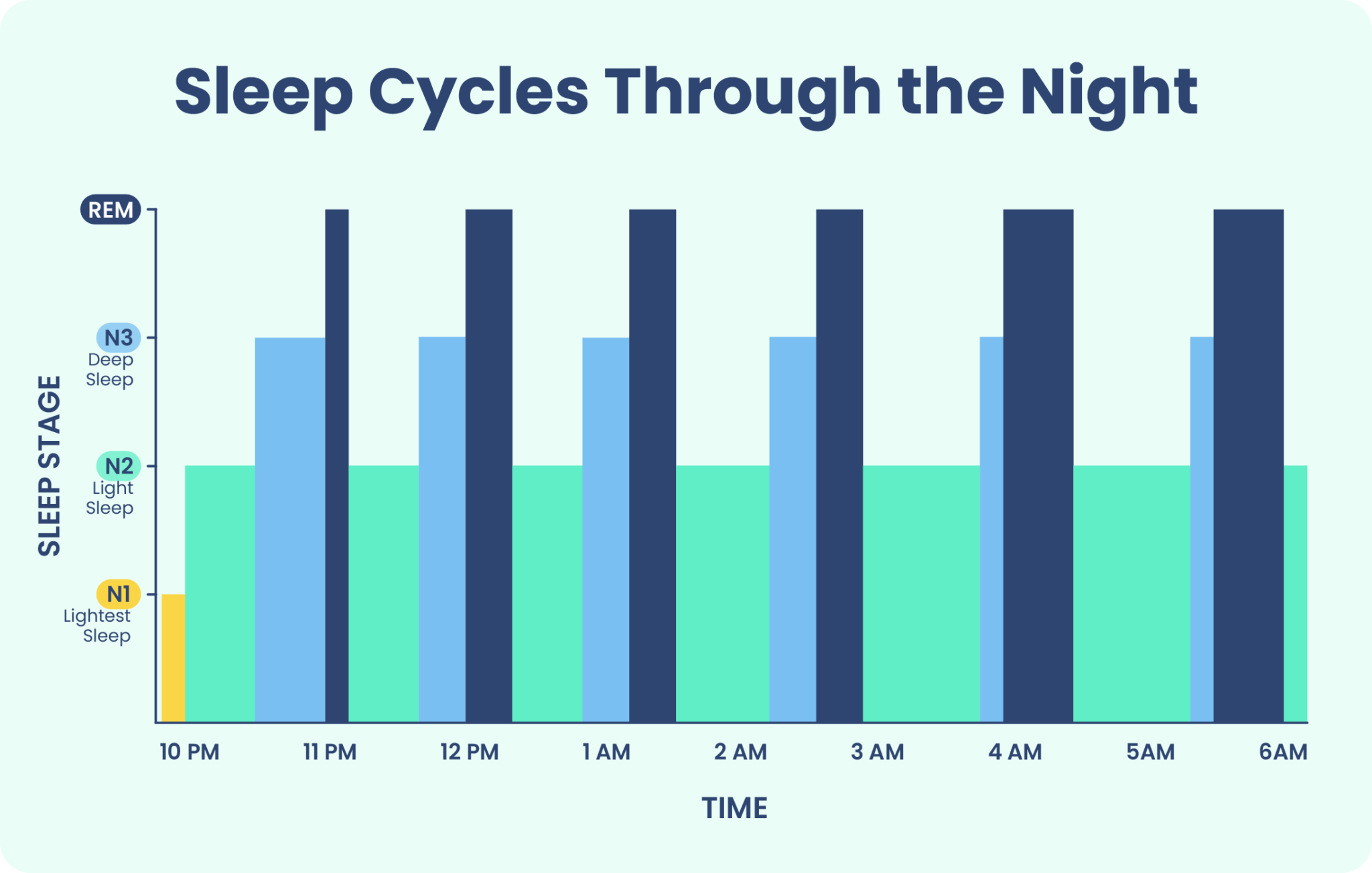
Source: Sleep Foundation
Why Waking Up Mid-Cycle Feels Like Absolute Torture
So here's what's actually happening when you feel like you're being ripped out of sleep unfairly: you're waking up in the middle of a sleep cycle.
And if you wake up during deep sleep? That's the worst-case scenario. That's when you feel disoriented, groggy, and genuinely angry at your alarm clock. Your body was in the middle of doing critical restoration work, and you just interrupted it.
The best time to wake up is at the end of a sleep cycle — when you're naturally in a lighter sleep phase. Your body is already closer to consciousness, so the transition to waking feels way more gentle.
This is why sometimes you can wake up after 7 hours feeling great, but other times you sleep 8+ hours and feel like absolute garbage. It's not about the total time — it's about the timing.
The 90-Minute Rule: How It Actually Works
Okay, so here's the strategy: instead of just aiming for "8 hours," you plan your sleep in 90-minute intervals.
Let me break down the math:
1 cycle = 1.5 hours (90 minutes)
2 cycles = 3 hours
3 cycles = 4.5 hours
4 cycles = 6 hours
5 cycles = 7.5 hours
6 cycles = 9 hours
So if you've been sleeping 8 hours and consistently waking up feeling terrible, that 8-hour mark is probably landing you mid-cycle. You'd be better off sleeping 7.5 hours or 9 hours to align with the natural end of a cycle.
Here's my personal example: I need to wake up at 7:45 AM for work. If I want to get a full 9 hours of sleep (6 complete cycles), I need to be asleep — not just in bed, actually asleep — by 10:30 PM. Any later than that, and I'm waking up mid-cycle, which makes it so much harder to get moving in the morning.
Not just getting into bed at 10:30, but factoring in my wind-down time so I'm actually drifting off by then. That's the key.
Quick Reference:
6 hours = 4 cycles (bare minimum)
7.5 hours = 5 cycles (sweet spot for many people)
9 hours = 6 cycles (ideal if you have the time)
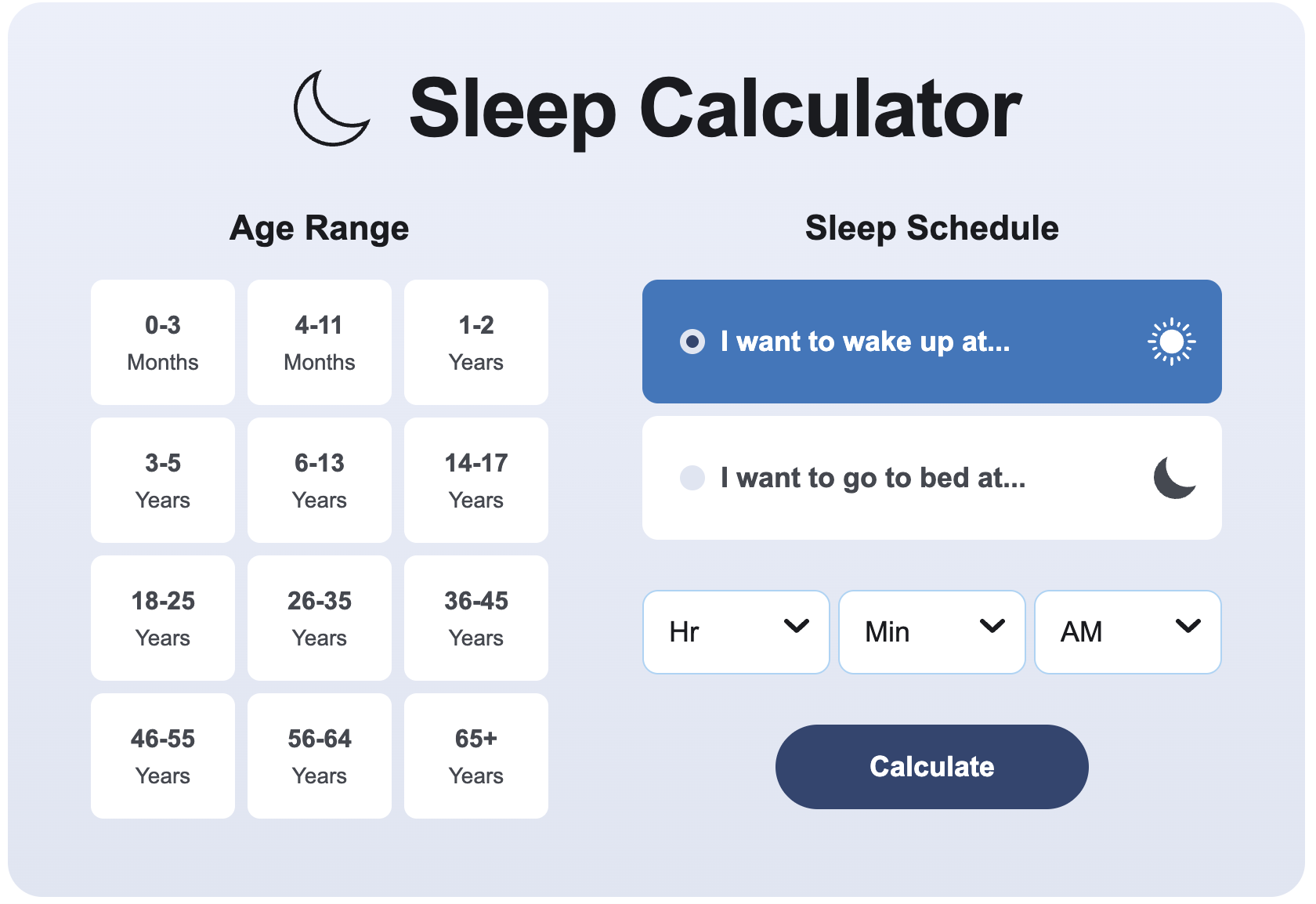
Source: Sleep Foundation’s sleep calculator
How to Try This Tonight
You don't need fancy sleep tracking tech to test this (though it can help). Here's what I do:
Step 1: Decide what time you need to wake up tomorrow.
Step 2: Count backward in 90-minute increments. Pick either 6, 7.5, or 9 hours as your target.
Step 3: Add 15-20 minutes to account for the time it takes you to fall asleep. (If you fall asleep instantly, skip this step and be grateful.)
Step 4: Set your alarm and commit to it. Don't hit snooze — that just restarts a cycle you won't finish.
For example: if you need to wake up at 6:30 AM and you're going for 7.5 hours, you'd need to be asleep by 11:00 PM. So get in bed by 10:40 PM to give yourself that buffer.
I know it sounds rigid, but I swear this one change made such a difference for me. I'd rather sleep slightly less total time and wake up at the right point in my cycle than force myself through 8 hours and feel like death.
The One Thing That Makes This Even Better
Okay, bonus tip because I love you: pair this with a sunrise alarm clock.
The reason these work so well with the 90-minute rule is that they start gradually increasing light 20-30 minutes before your alarm goes off. So even if your math is slightly off, the gentle light exposure helps ease you out of whatever sleep stage you're in — instead of a blaring alarm yanking you awake.
I use the Hatch Restore 3 Alarm Clock, and honestly, it's been the best decision I’ve ever made. It mimics a natural sunrise, and I genuinely wake up feeling more human. On the mornings I don’t use it, I notice the difference immediately.
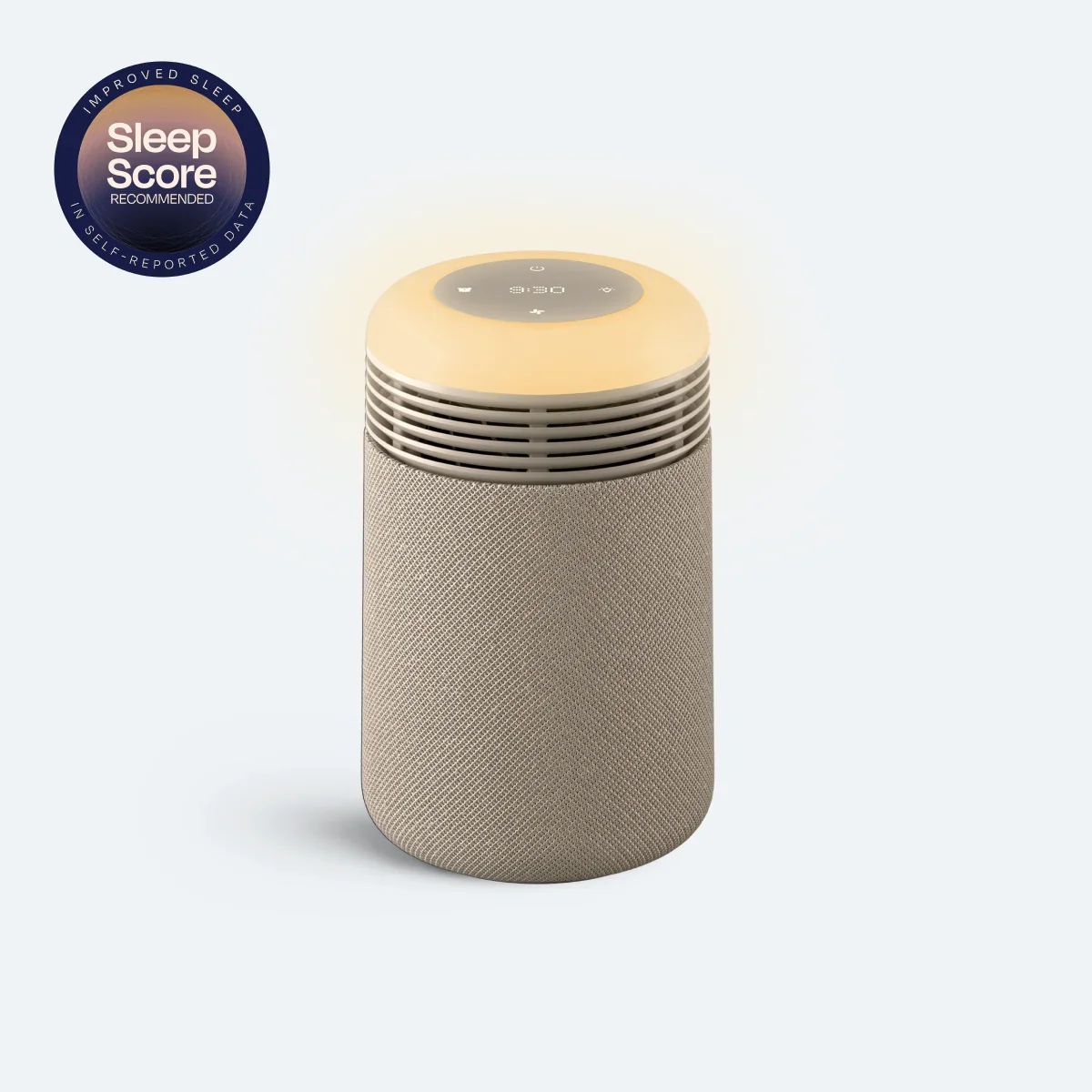
If you want something with air purification built in (because why not multitask while you sleep?), the Blueair Mini Restful Sunrise Air Purifier does both. It cleans your air overnight and wakes you with light. Very futuristic, very cozy.
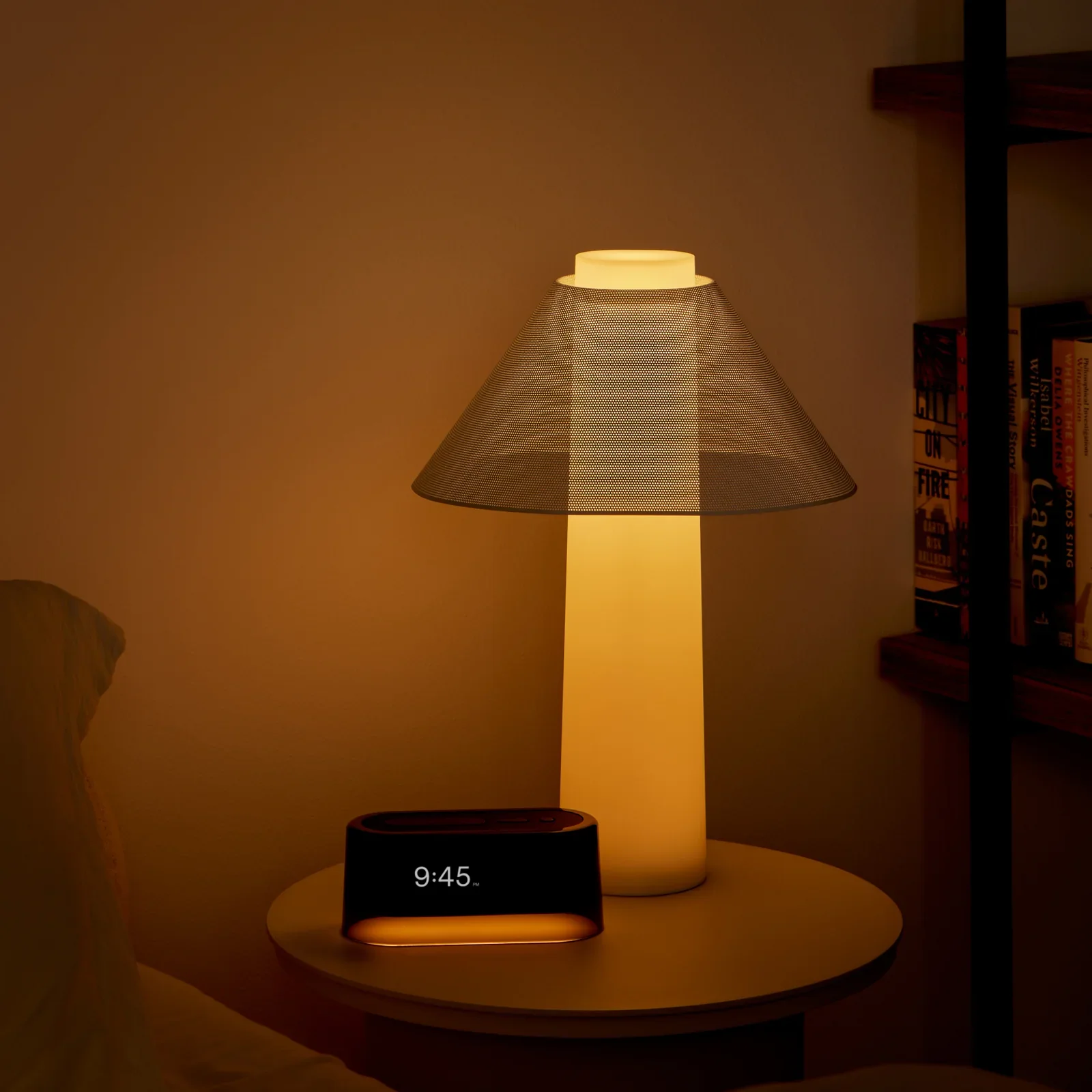
And if you're going for aesthetics + function, the Loftie Lamp is gorgeous on a nightstand and does the same sunrise simulation without looking like medical equipment.
The light itself helps regulate your circadian rhythm, which means over time, you'll start waking up more naturally at the right points in your sleep cycle anyway. It's like training your body to cooperate with the 90-minute rule.
A Few Honest Disclaimers
Look, I'm not a doctor — I just research sleep obsessively because I love it (and because I used to be really bad at it). If you have specific sleep disorders or chronic insomnia, please talk to your healthcare provider before overhauling your sleep schedule.
Also, the 90-minute cycle is an average. Some people's cycles are slightly shorter or longer. Sleep tracking apps can help you dial in your personal rhythm, but the 90-minute rule is a great starting point for most people.
And finally: Research shows that regularly getting under 7 hours can have serious long-term health consequences. The 90-minute rule is about optimizing your wake-up time, not justifying less sleep overall.
Why This Feels Like Such a Relief
Here's what I love about this approach: it takes the guilt out of sleep.
For so long, I thought I was just "bad at waking up" or lazy or not a morning person. But it wasn't a character flaw — I was just waking up at the wrong point in my biology. I know my sleep disorder changes things for my specific situation, too, but using the 90-minute rule definitely doesn’t hurt.
Once I started treating my sleep cycles as something to work with instead of against, mornings got so much easier. I'm not saying I bounce out of bed like a Disney princess now, but I definitely don't always feel like I've been hit by a bus anymore.
And honestly? Sometimes sleeping 7.5 hours and waking up refreshed feels better than forcing 8 hours and feeling like garbage. It's not about the number — it's about the rhythm.
So if you're someone who constantly feels exhausted despite "enough" sleep, I'd really encourage you to try this. Track your cycles for a week. See what happens. You might be shocked at how much better you feel just by shifting your alarm by 30 minutes.
Your body is already doing the work. You just have to time your wake-up right.
Save this, try it tonight, and let me know how you feel in the morning. Thank me later.
FAQs
Q: Is the 90-minute sleep cycle rule scientifically accurate?
A: Yes — sleep cycles averaging 90 minutes are well-documented in sleep research. While individual cycles can vary slightly (usually between 80-120 minutes), 90 minutes is a reliable average for most adults. Timing your sleep in these increments helps you wake during lighter sleep phases rather than deep sleep.
Q: Can I use a sleep calculator instead of doing the math myself?
A: Absolutely. Sleep calculators from reputable sources like the Sleep Foundation or Sleep Charity UK do the same backward counting based on 90-minute cycles. They're especially helpful when you're too tired to do the math yourself (which, valid).
Q: What if I can't fall asleep exactly when I plan to?
A: Build in a buffer. If it typically takes you 15-20 minutes to fall asleep, start your bedtime routine earlier. The goal is to be asleep at your target time, not just in bed. If you have inconsistent sleep latency, a sleep tracking app can help you find your personal patterns.
Q: Is 6 hours of sleep enough if it's timed correctly?
A: While 6 hours (4 complete cycles) could be better than 6.5 hours that cuts you off mid-cycle, it's still at the low end of recommended sleep for adults. Most people need 7-9 hours for long-term health. Use the 90-minute rule to optimize your wake-up, not to justify sleeping less overall.
Q: Will this work if I have insomnia or a sleep disorder?
A: The 90-minute rule can help with timing your wake-up, but it's not a treatment for sleep disorders. If you have chronic insomnia, sleep apnea, or other diagnosed conditions, work with your healthcare provider on a comprehensive treatment plan. This strategy works best for people who are already sleeping but waking up unrefreshed.
PRODUCTS MENTIONED IN THIS POST